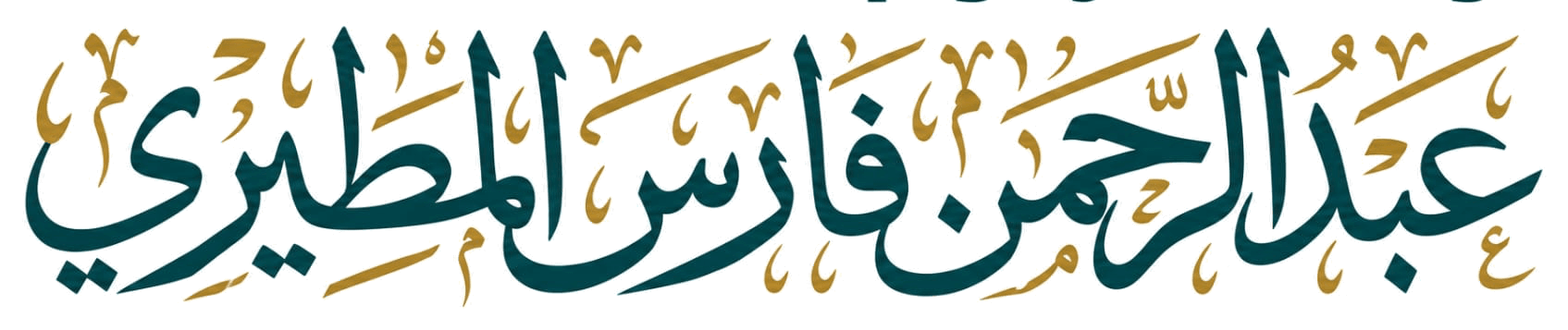
An endowment that preserves the principal and keeps the benefit flowing
The endowment of the late Abdulrahman Fares Al-Mutairi is a continuing charity: its principal is preserved and only its returns are spent on good works, so the reward endures year after year.
What is a waqf?
A waqf is a preserved asset — not sold, gifted or inherited — invested prudently, with its returns spent on good causes. This is how a waqf differs from a one-off gift: a gift is spent once; a waqf gives again and again, for as long as its principal remains.
It is among the greatest forms of continuing charity (sadaqah jariyah), whose reward outlives the giver: good deeds flow to them for as long as people benefit from the endowment, however many years pass.
In honour of a lasting soul
This waqf was established to continue a lasting charity on behalf of the late Abdulrahman Fares Al-Mutairi, may Allah have mercy on him and reward him abundantly.
We do not dwell on loss; we honour a life whose benefit continues. Every riyal of the waqf's returns is a charity that flows for him and for all who contribute — may Allah accept it from everyone.
How this waqf works
The waqf follows a steady cycle that preserves its principal and sustains its benefit:
- Your contribution is added to the waqf's principal, becoming part of a preserved capital that is never spent.
- The principal is invested wisely and prudently, without exposing it to undue risk.
- The returns — not the principal — are spent on the waqf's causes: education, water, mosques and families.
- We publish an annual report showing what was achieved and where it was spent, so the principal stands and the giving continues.
Where the returns are spent
The endower dedicated the returns of the waqf to four causes, each a door to lasting good:
- Quran & knowledge: supporting Quran memorisation circles, their teachers and students.
- Water: providing clean drinking water where the need is greatest.
- Mosques: contributing to building, maintaining and equipping mosques.
- Families: supporting families in need in a way that preserves their dignity.
Vision, mission and values
Vision: a lasting charitable legacy that benefits people and draws near to Allah.
Mission: to preserve and grow the waqf's principal, and to spend its returns faithfully and transparently on the causes the endower stipulated.
In all our work we hold to values we do not compromise:
- Trust (amanah): the money is an endowment for Allah; we deliver it as the endower intended.
- Transparency: we show what was spent and where it went, without ambiguity.
- Excellence (ihsan): we do the work well and reach those entitled to it.
- Sustainability: we preserve the principal so the giving continues generation after generation.
Waqf in Islam: virtue and history
The waqf is a well-established practice in Islam. Its origin is the report of Ibn Umar that Umar acquired land at Khaybar and came to the Prophet ﷺ to consult him about it; he said: “If you wish, you may preserve its principal and give its benefit in charity.” So Umar gave it in charity on the condition that it be neither sold, gifted, nor inherited. (Agreed upon — Bukhari & Muslim.)
It is affirmed by the words of Allah: “You will never attain righteousness until you spend from what you love” [Āl ʿImrān: 92], and “The likeness of those who spend their wealth in the way of Allah is as a grain that grows seven ears” [al-Baqarah: 261].
Muslims have practised it for centuries — from the well of Rūmah that ʿUthmān bought and dedicated to the people, to the endowments of mosques, schools, water and libraries that built the lands of Islam. This waqf continues that blessed tradition.
The above is a general account of the virtue of waqf; for rulings specific to your situation, please consult qualified scholars and specialists.
“When a person dies, their deeds end except for three: a continuing charity, knowledge that benefits, or a righteous child who prays for them.”
Sahih MuslimHow to take part
It is enough to give what you can; your contribution joins the waqf's principal, and its reward flows to you for as long as it benefits others. You may give once or as a continuing monthly gift, or dedicate it on behalf of someone you love, living or deceased.